
How can I plant
a Mini-Forest?
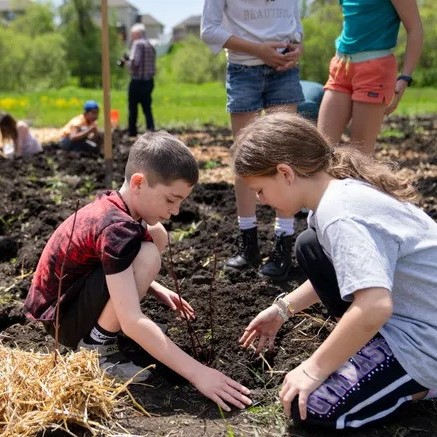
Why should i plant a mini-Forest?
Growing a mini-forest is a simple way to reconnect with nature and help the environment. Even if you’ve only got a small space, planting trees and greenery can boost air quality, support wildlife, and reduce stress. It’s not about perfection—just letting nature do its thing and watching it thrive. Plus, it feels good knowing you’re doing your part for the planet.
General timeline for growing a mini-forest
Week 1:
Define your vision. Decide on the purpose of your mini-forest (wildlife habitat, food production, aesthetic).
Week 2:
Research native plant species that thrive in your region.
Week 3:
Assess your available space. Measure and map out the area for your mini-forest.
Week 4:
Create a budget for seeds, plants, and materials.
Week 5:
Design your layout. Consider layers (canopy, understory, ground cover).
Week 6:
Prepare the soil. Clear debris, test soil quality, and amend as necessary.
Week 7:
Gather materials. Purchase seeds, seedlings, and gardening supplies.
Week 8:
Plan for irrigation and mulching options.
Week 9:
Start planting trees and larger shrubs. Follow spacing guidelines for optimal growth.
Week 10:
Add understory plants and ground cover. Incorporate a variety of species for biodiversity.
Week 11:
Install mulch around plants to retain moisture and suppress weeds.
Week 12:
Set up an irrigation system if needed.
Maintainance Period
Week 13
Water regularly, especially during dry spells.
Week 15
Begin composting to enrich the soil and reduce waste.
Week 14
Monitor plant health and check for pests or diseases.
Week 16
Mulch as needed to retain moisture.
Ongoing Care Tips
Monthly Procedure
Regularly inspect your mini-forest and make adjustments as necessary.
Seasonal Procedure
Prune and thin plants to encourage healthy growth.
Yearly Procedure
Evaluate your progress and plan for additional planting or changes.
Contact Us
We love hearing from our community! Feel free to reach out and share your thoughts with us anytime.